
 October 9, 2026
Chiropractic Care vs Physical Therapy: Which One Is Right for Your Pain?
When pain strikes, one of the first questions people ask is whether they should see a chiropractor or a physical therapist. Both can help you move better and hurt less, but they take different paths to get there. Choosing the wrong one for your situation can slow your recovery. In this article you will learn how chiropractic care and physical therapy differ, when each tends to shine, and why the two often work best together.
What Is Chiropractic Care?
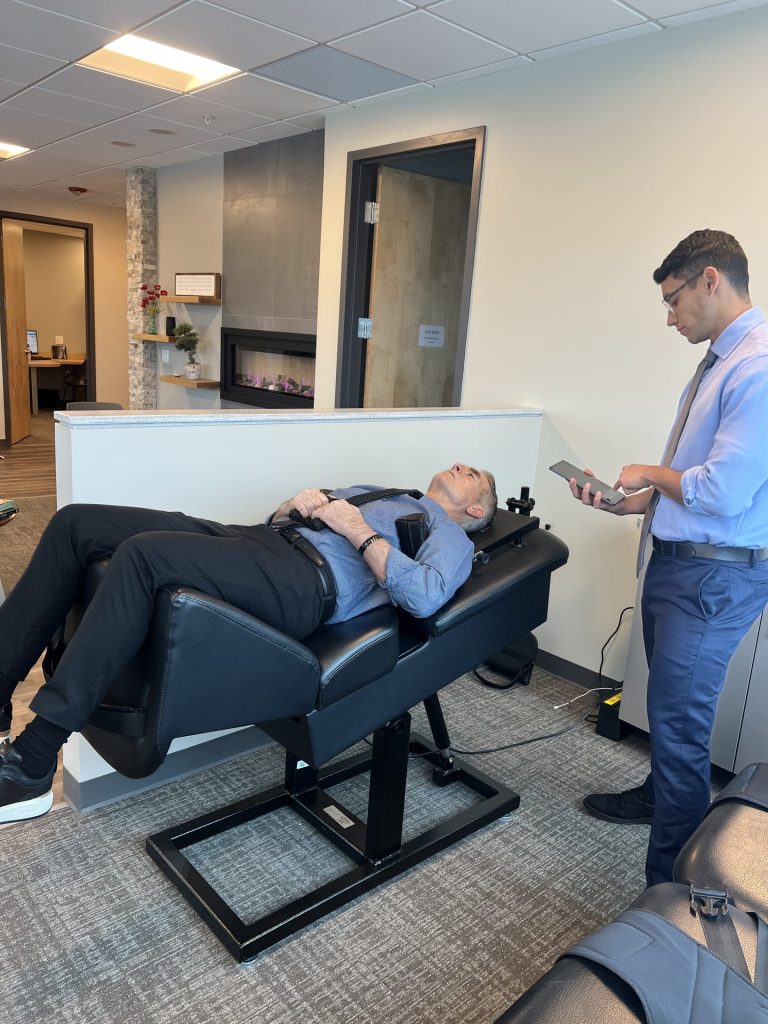
Chiropractic care focuses on the relationship between your spine, joints, and nervous system. Using hands-on chiropractic adjustments and related therapies, a chiropractor restores normal joint motion, relieves pressure on nerves, and helps your body function the way it should. Care often includes supporting therapies such as spinal decompression, laser, and shockwave therapy to encourage healing.
What Is Physical Therapy?
Physical therapy centers on restoring strength, mobility, and function, usually through guided exercise, stretching, and manual techniques. Physical therapists often work with patients recovering from surgery, sports injuries, or long rehabilitation programs, helping them rebuild movement over time.
The Key Differences
While there is real overlap, a few differences stand out:
- Primary focus: chiropractic emphasizes joint and spinal function and nervous system health, while physical therapy emphasizes strengthening and restoring movement.
- Typical approach: chiropractors commonly use adjustments and targeted therapies, while physical therapists rely heavily on exercise based rehabilitation.
- Common goals: chiropractic aims to relieve pain and create a stable foundation for your spine, while physical therapy builds function progressively.
Neither is better in every case. The right choice depends on your condition and your goals.
When to Choose Each
Chiropractic care is often a strong fit when you have:
- Back or neck pain and stiffness
- Headaches linked to tension in the neck and upper back
- Disc injuries, sciatica, or pinched nerves
- Have tried rehab. exercises and made your symptoms, conditions worse
Physical therapy is often a strong fit when you are:
- Recovering from surgery
- Rebuilding strength after a major injury
- Working through a long, structured rehabilitation program
Many people benefit from both at different stages of recovery.
Why They Work Well Together
Here is what many patients do not realize: chiropractic care and rehabilitation are not rivals. They actually complement each other. An adjustment can restore motion and relieve pain, while targeted exercise keeps the area strong and stable so the relief lasts. That is why Mahoney Chiropractic Group combines adjustments with spinal rehabilitation, giving you the benefits of both in one coordinated plan. To see how care without surgery fits in, read more about nonsurgical spinal decompression therapy in Colchester.
The Bottom Line
Chiropractic care and physical therapy are both valuable, and the best choice depends on what your body needs right now. If your pain involves your spine, joints, or nerves, chiropractic care is a great place to start, especially when paired with rehabilitation for lasting results. The team at Mahoney Chiropractic Group can evaluate your situation and recommend the right path.
Ready to feel and move better? Book an appointment online, or call or text the Colchester office at 802.655.2664 to get started.
Frequently Asked Questions
Can I do chiropractic care and physical therapy at the same time?
Often, yes. Many patients see excellent results combining hands-on adjustments with rehabilitation exercises. Your provider can help coordinate a plan that fits your goals.
Which is better for back pain?
It depends on the cause. Chiropractic care is frequently effective for spine and joint related back pain, while physical therapy may be emphasized during structured recovery after surgery. An evaluation is the best way to know.
Do I need a referral for chiropractic care?
No referral is needed to become a patient at Mahoney Chiropractic Group, and insurance is not required to be seen.